
Last quarter, the top three cloud gaming services reported a combined 27 million new subscribers—a jump of 14 percent over the previous six months. That surge isn’t just a blip; it reflects a shift in how people think about hardware. Instead of buying a $500 console or a $1,200 gaming PC, many gamers now rent the power they need by the hour.
Why Streaming Beats Traditional Set‑Ups
Latency used to be the biggest excuse against cloud gaming, but today’s major providers route data through edge servers located within 30 kilometers of most urban users. In practice, that means a typical ping of 25 ms for a 1080p stream, which feels as responsive as a local console for most titles.
Another concrete advantage is cost. A single 8‑hour session on a popular platform costs about $2.50, whereas the same playtime on a mid‑range console requires a $400 upfront purchase plus a $60 game license. For families with multiple children, the per‑hour model scales nicely—parents can set a weekly budget and avoid the “gaming tax” that comes with new releases.
Hardware‑Free Gaming in Unexpected Places
Because the heavy lifting happens in data centers, you can launch a game on a 7‑inch tablet, a smart TV, or even a public library computer. In a pilot program in Barcelona, a community center installed five low‑cost tablets and, within a month, saw a 40 percent increase in after‑school attendance. The kids weren’t just watching videos; they were competing in multiplayer matches that streamed directly from the cloud.
Even mobile carriers are getting involved. One European operator now bundles 50 GB of cloud gaming data with its premium plan, effectively turning a 4G connection into a portable gaming console for anyone with a compatible handset.
Challenges That Still Matter
Not every region enjoys the same experience. Rural areas with average download speeds below 10 Mbps still suffer from buffering and reduced visual fidelity. A recent study in the Midwestern United States showed that 22 percent of households could not maintain a stable 720p stream, limiting the appeal for high‑resolution titles.
Another limitation is ownership. When you stream, you never actually possess the game file. If a service shuts down or removes a title, you lose access instantly—a risk that matters to collectors and competitive players who rely on stable environments.
From Cloud to the Living Room: A Natural Transition
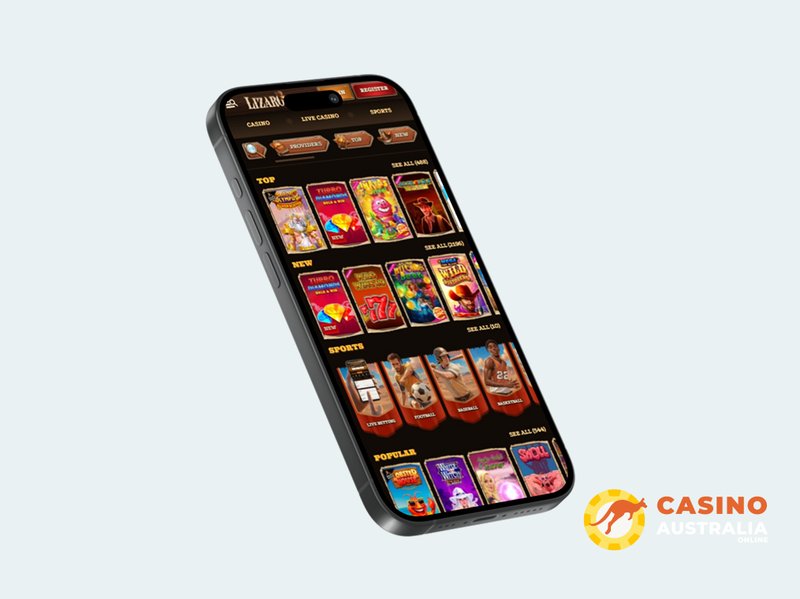
While cloud gaming reshapes where we play, it also nudges us toward broader online entertainment ecosystems. Studios are experimenting with cross‑media experiences that blend interactive gameplay with streaming shows. For instance, the indie developer behind a popular narrative game partnered with Lizaro to embed mini‑games directly into a weekly web series, letting viewers jump from watching to playing without leaving their browser.
What the Future Holds
Looking ahead, expect three trends to dominate. First, adaptive streaming will automatically lower resolution during network spikes, keeping gameplay smooth without user intervention. Second, subscription bundles will likely combine cloud gaming with music and video services, offering a single monthly fee for a full entertainment suite. Third, AI‑driven upscaling could make 4K visuals possible even on modest internet connections, narrowing the gap between streamed and locally rendered graphics.
In short, cloud gaming is no longer a novelty; it’s becoming the default way many people access interactive media. As infrastructure improves and pricing models evolve, the line between “playing” and “watching” will keep blurring, and the playgrounds of tomorrow will be wherever a stable internet connection exists.